How to Care for Your Violin Bow and Rosin
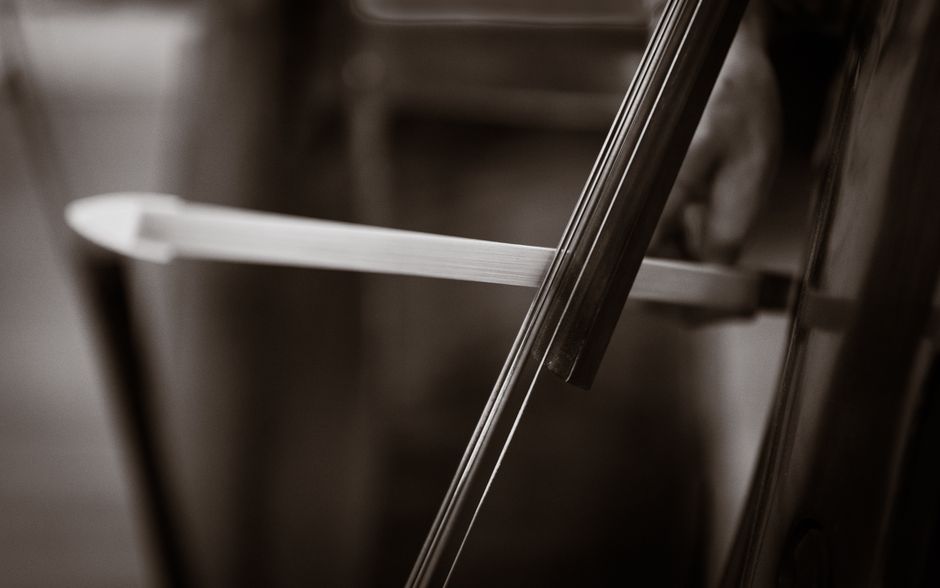
A well-maintained bow is an essential component of a violinist’s setup. The bow transfers the player’s intention into sound through the interaction of hair, wood, and rosin. Over time, natural oils from the fingers, dust, and environmental changes affect the bow’s performance. Proper care of the bow and rosin not only preserves the instrument’s response but also supports consistent tone production across different playing conditions.
Understanding the function of each part of the bow and the role of rosin helps players make informed decisions about maintenance routines. Many factors influence how often a bow needs attention, including playing frequency, climate, and the type of rosin used. This article outlines practical approaches to cleaning, rosin application, and recognizing when rehairing is necessary, presented in a neutral and informational manner.
Understanding the Components of the Bow
The violin bow consists of several parts that each contribute to its handling and sound. The stick is traditionally made from pernambuco wood or modern composite materials, providing flexibility and balance. The bow hair, usually from horsehair, grips the string to create vibration. The frog, made of ebony or synthetic materials, houses the adjusting screw and allows tension changes. The tip connects the head to the stick and protects the hair.
Each component requires different care. The stick can warp if exposed to extreme humidity or dryness. The hair loses its grip over time due to wear and absorption of oils. The frog and screw need occasional cleaning to prevent sticking. Recognizing these individual needs helps players take targeted action rather than applying a one-size-fits-all approach.
Cleaning Your Bow and Rosin
Regular cleaning removes residue that accumulates during playing. Rosin dust, sweat, and dirt can build up on both the stick and the hair. For the stick, a soft, lint-free cloth can be used after each playing session to wipe away rosin powder. It is important to avoid excessive moisture or cleaning agents that could damage the wood or varnish. A slightly damp cloth followed by immediate drying is generally acceptable, but many players prefer dry cleaning methods.
The bow hair itself should not be cleaned with water or alcohol, as these can strip the natural grip. Instead, the hair can be gently wiped with a dry cloth to remove surface dust. Some players use a specialized bow hair cleaner, but this should be applied sparingly and only when necessary. Over-cleaning can reduce the hair’s ability to hold rosin. The rosin cake also benefits from occasional cleaning. A small brush or a soft cloth can remove the hardened outer layer, exposing fresh rosin for better application.
Rosin Application Techniques
Applying rosin is a straightforward process, but technique influences the result. The rosin cake should be held firmly while the bow hair is drawn across its surface in slow, even strokes. New bows or freshly rehaired bows require a longer initial application to coat the new hair. Typically, three to five full-length strokes are enough for regular play, though some players apply more depending on their style and the rosin’s hardness.
Excessive rosin can create a harsh sound and produce clouds of dust, which may settle on the instrument and affect its finish. On the other hand, too little rosin results in a weak, fuzzy tone. The ideal amount varies by personal preference and the specific rosin formulation. Softer rosins tend to leave more residue and may require more frequent cleaning. Harder rosins produce less dust but may need more strokes during application. It is advisable to experiment within a controlled practice setting to find a comfortable balance.
Recognizing When Rehairing Is Needed
Bow hair naturally deteriorates with use. Over time, the hair becomes smooth, loses its microscopic barbs, and no longer holds rosin effectively. Visual indicators include frayed or broken hairs, uneven tension across the ribbon, and a shiny appearance. A central section of hair that becomes noticeably darker or coated with residue may also signal wear.
Functional signs are equally important. If the bow no longer produces a clear attack on the string, or if the player must apply excessive pressure to achieve a consistent sound, rehairing may be necessary. The frequency of rehairing depends on playing intensity. Some players rehair every three to six months, while others may go a year or longer. It is generally better to replace the hair before it becomes completely ineffective, as old hair can affect technique and cause fatigue. Professional luthiers or bow specialists perform rehairing, which involves removing the old hair and installing a new ribbon, adjusting tension and spacing to ensure balanced performance.
Storage and Environmental Considerations
Proper storage extends the life of both the bow and rosin. The bow should be loosened to release tension on the stick and hair before storing. Keeping it in a protective case prevents accidental damage and reduces exposure to dust. The case should maintain a stable environment, ideally with a humidity level between 40 and 60 percent. Humidifiers or dehumidifiers designed for instrument cases can help regulate conditions, especially in regions with extreme climates.
Rosin storage is often overlooked. Rosin cakes can crack if dropped or exposed to temperature fluctuations. Storing rosin in a hard case or a dedicated compartment within the instrument case helps protect it. Some rosins become softer in warm weather and harder in cool conditions, affecting application. Allowing the rosin to acclimate to room temperature before use provides consistent results. By integrating these storage habits into a regular routine, players can maintain the reliability of their bow and rosin over many seasons.